Source eco-friendly square recordable sound module for toys, books, dolls
Compare 30 listings of eco-friendly square recordable sound module options featuring ABS materials and customizable music. Buyers can review specifications for plush toys, talking dolls, and books with various activation methods and CE RoHS certifications.
Key considerations
Products List


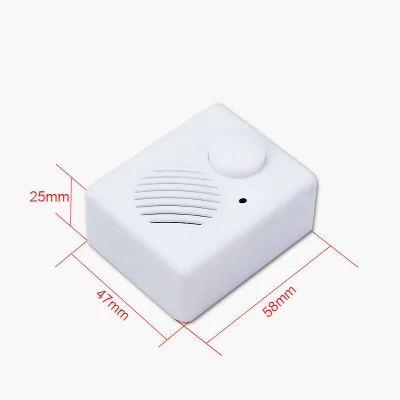
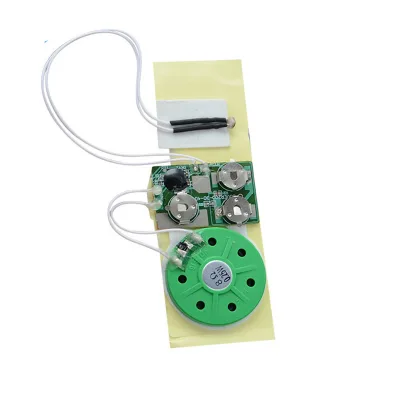
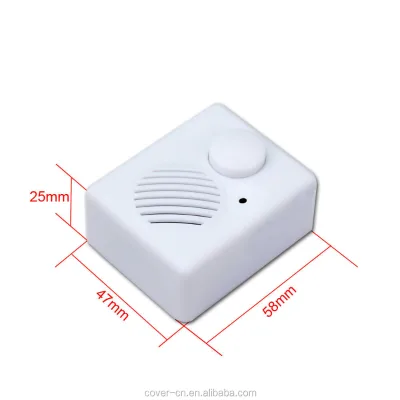
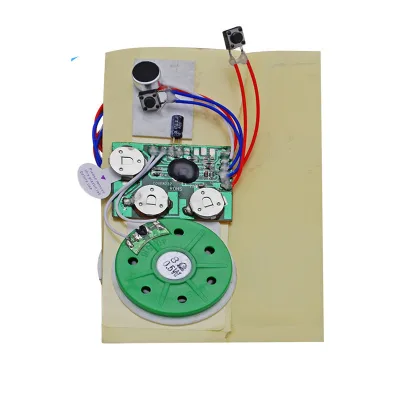
Factory Custom Greeting Cards Sound Button Recordable Sound Modules for Toys
$0.88 - $1.40
MOQ: 500 pieces




Comprehensive Sourcing Guide
Strategic Sourcing Guide for Eco-Friendly Square Recordable Sound Modules
Understanding the Technical Architecture of Recordable Sound Modules
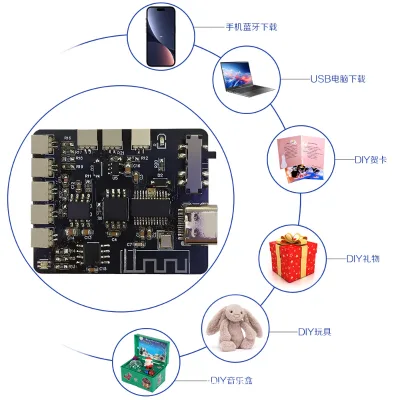
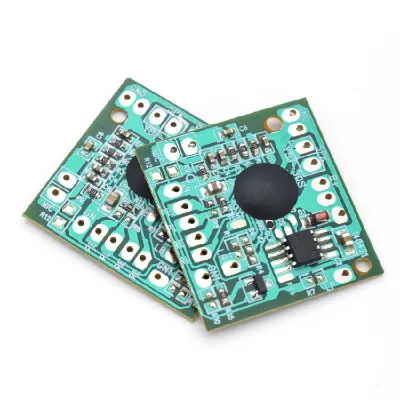
The core of the "eco-friendly square recordable sound module" inquiry centers on a specific class of electronic accessories designed for integration into interactive products. Based on observed product attributes, these modules are fundamentally defined as sound modules or recording devices that utilize a Printed Circuit Board (PCB) as their structural backbone. The physical form factor often includes square shapes, alongside round variations, with dimensions observed in the range of 80x50x6mm or 58x47x25mm, depending on the specific model such as the YM01, YM02, S-3024D, or S-3015B.
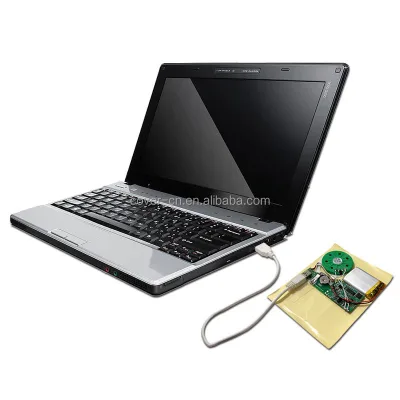
The internal architecture typically comprises a PCB, an Integrated Circuit (IC), a battery, and a speaker. The battery component is a critical area for eco-friendly considerations; the provided data notes that these batteries are often lead-free and mercury-free, which aligns with environmental safety goals. The sound output is generated via a transducer, often described as a 40mm plastic speaker or an electrostatic earphone using air-conduction principles. The cone material is specified as plastic, which is a common industry standard for cost-effective and durable audio reproduction in toy applications.
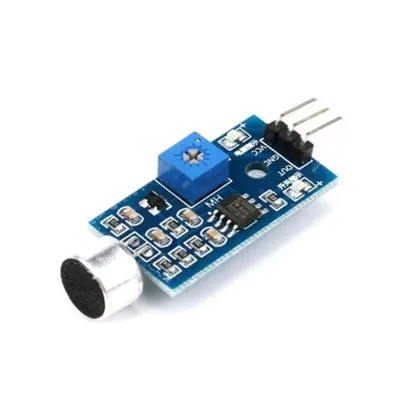
The recording capability is a primary differentiator. These modules support pre-recorded, recorded, music, and animal voice functions. The recording time varies by model, with specific instances noting durations of 6 seconds, 10 seconds, or 20 seconds. The activation mechanisms are diverse, including press/push buttons, light sensors, voice sensors, and pull strings. This versatility allows the module to be tailored to the user interaction required by the final product, whether it is a plush toy, a talking doll, or an educational book.
Compliance and Environmental Certification Verification
When sourcing "eco-friendly" electronic components, verification of compliance is not merely a suggestion but a prerequisite for market access and brand integrity. The observed product data explicitly lists CE and RoHS certifications. The CE mark indicates conformity with health, safety, and environmental protection standards for products sold within the European Economic Area. RoHS (Restriction of Hazardous Substances) is the critical standard for eco-friendly claims, as it restricts the use of specific hazardous materials including lead, mercury, cadmium, and certain flame retardants.
Buyers must verify that the "lead-free and mercury-free" battery claim is backed by valid RoHS documentation for the specific batch being purchased. While the data indicates "CE RoHS" as a certificate, the procurement process requires ensuring that the supplier can provide test reports from accredited laboratories confirming that the plastic components (ABS material) and the electronic assembly do not exceed the threshold limits for restricted substances. The standard "CE" is also noted as a customizable standard in some contexts, suggesting that while the base compliance is CE, specific regional requirements (such as FCC for the US or UKCA for the UK) may need to be addressed separately.
It is essential to note that the term "eco-friendly" in this context primarily refers to the absence of hazardous heavy metals and the use of lead-free batteries. The sourcing guide does not support claims regarding biodegradability of the ABS plastic or the recyclability of the PCB, as these attributes are not explicitly confirmed in the supplied facts. Therefore, buyers should define "eco-friendly" strictly within the scope of RoHS compliance and non-toxic battery chemistry to avoid over-promising to end consumers.
Cost Drivers and Pricing Dynamics
The pricing for recordable sound modules is influenced by several distinct factors, with the observed market range spanning from $0.30 to $30.00 USD. This wide variance is not arbitrary but reflects differences in functionality, customization levels, and order volume. The Minimum Order Quantity (MOQ) is a significant driver, with observed ranges extending from 1 unit to 20,000 units. High-volume orders typically access the lower end of the price spectrum, while small-batch or prototype orders incur higher per-unit costs.
Key cost drivers include the complexity of the activation mechanism. A simple push-button module will be less expensive than one incorporating a voice sensor or a light sensor. The recording time is another variable; modules capable of 20 seconds of recording generally cost more than those limited to 6 seconds due to the larger memory capacity required on the IC. Customization is a major cost factor; while the product attributes state that customization is available and OEM/ODM services are offered, any request for custom music, custom voice recording, or specific shape modifications will increase the unit price and potentially the lead time.
The packaging method also impacts cost. The data mentions both "Box" and "Carton" packing options. Bulk carton packing is generally more cost-effective for large shipments, whereas individual box packaging adds to the material and labor costs per unit. Additionally, the power source configuration, such as the inclusion of a 3PCS button cell battery, adds to the bill of materials. Buyers should negotiate based on the specific configuration required, understanding that the base price for a standard square module may be low, but the final landed cost will rise with added features and custom branding.
Typical Applications and Market Integration
The versatility of the square recordable sound module allows for integration across a broad spectrum of consumer goods. The primary application domains identified include plush toys, talking dolls, and interactive books. These applications leverage the module's ability to provide pre-recorded sounds, music, or animal voices, enhancing the emotional engagement of the product. The "Universal" suitability mentioned in the attributes suggests that these modules are not limited to a single niche but can be adapted for various toy categories.
Beyond toys, the data indicates usage in security systems and various festivals. In security applications, the module might be used to trigger voice alerts or warnings, utilizing the light sensor or motion sensor activation. For festivals, the modules could be integrated into wearable accessories or promotional items that play specific jingles or greetings. The "Design Style: Various" attribute supports the idea that these modules can be concealed within different product aesthetics, making them suitable for both children's products and adult-oriented novelty items.
The specific dimensions, such as the 80x50x6mm size, make them ideal for compact applications where space is limited, such as inside the limbs of a plush toy or the spine of a book. The use of ABS material ensures that the module is durable enough to withstand the handling typical of children's products. The ability to customize the music and sound content allows manufacturers to create unique selling propositions, differentiating their products in a crowded market.
Supplier Evaluation and Operational Considerations
Selecting a supplier for these electronic components requires a rigorous evaluation process focused on reliability and capability. The observed lead time is 30 days, which serves as a benchmark for production scheduling. Buyers should verify if this timeline is consistent for custom orders or if it applies only to stock items. The location of production is noted as China, which is a major hub for electronic manufacturing, but buyers should confirm the specific factory location to assess logistics and potential tariff implications.
When evaluating suppliers, the capability for OEM/ODM is a critical metric. The data confirms that customization is available, but the depth of this capability varies. A robust supplier will offer not just the ability to change the music track but also to modify the PCB layout, adjust the activation sensitivity, or alter the physical dimensions of the module. The "Customized" attribute for usage and design style further supports the need for a supplier with flexible engineering teams.
Buyers must also assess the supplier's quality control processes. Since the modules contain batteries and electronic components, the risk of failure due to moisture or physical shock is non-zero. A reliable supplier should have a track record of passing CE and RoHS tests and should be willing to share batch-specific test reports. The mention of "Adhesive Sticker: Light Activated" in some models suggests that the supplier has experience with various attachment methods, which is a useful capability for integration into different product designs.
Quality Control and Long-Term Procurement Strategy
Ensuring the long-term viability of the supply chain requires a focus on quality control and consistency. The product attributes list specific components like the PCB, IC, and speaker, which are the points of failure to monitor. Quality control checks should verify the integrity of the soldering on the PCB, the capacity of the battery, and the clarity of the audio output. For recordable modules, the retention of recorded sound over time is a critical quality metric; buyers should test samples for sound degradation after extended periods.
Long-term procurement considerations involve managing the relationship with the supplier to ensure continuity. Given the 30-day lead time, buyers should maintain a buffer stock to mitigate supply chain disruptions. The wide MOQ range (1 to 20,000) offers flexibility, allowing buyers to start with small orders for market testing and scale up as demand grows. However, buyers should be aware that significant customization may require higher MOQs to be economically viable.
Sustainability should be a core part of the long-term strategy. While the current data supports lead-free and mercury-free claims, buyers should proactively inquire about the end-of-life management of the products. This includes understanding the recyclability of the ABS plastic and the disposal protocols for the batteries. By partnering with suppliers who are transparent about their environmental practices and who can provide up-to-date certification documents, buyers can future-proof their supply chain against increasingly strict environmental regulations.
Comparative Analysis of Module Specifications
To assist in the decision-making process, the following table summarizes the key specifications observed in the product data, highlighting the variations available to buyers.
| Specification | Model YM01 / YM02 | Model S-3024D / S-3024B | Model S-3015B / S-2022F |
|---|---|---|---|
| Shape | Square / Round | Square | Square |
| Dimensions | 80x50x6mm (approx.) | 58x47x25mm | Customized |
| Recording Time | 6sec, 10sec, 20sec | 6sec, 10sec, 20sec | Variable |
| Activation | Press, Light, Voice, Pull | Light Activated | Motion Sensor |
| Speaker Size | 40mm Plastic | 40mm Plastic | Customizable |
| Power Source | Battery (Lead/ Mercury Free) | Battery (3PCS Button Cell) | Battery |
| Certification | CE, RoHS | CE, RoHS | CE (Customizable) |
| Primary Use | Toys, Books, Dolls | Festivals, Security | Various |
This comparison illustrates that while the core technology remains consistent, the specific application dictates the choice of model. The S-3024D series, with its light-activated adhesive sticker, is particularly suited for interactive toys where hands-free operation is desired. The S-3015B and S-2022F models, with motion sensors and customizable sizes, offer greater flexibility for specialized security or festival applications. Buyers should select the model that best aligns with the activation method and physical constraints of their final product design.
FAQs
What certifications do these sound modules have?
The modules carry CE and RoHS certifications. These standards confirm the products are free from hazardous substances like lead and mercury, ensuring compliance for international markets.
Can the music and sounds be customized?
Yes, music and sound content can be customized. Buyers can request specific pre-recorded tracks, animal voices, or recorded messages tailored to their product needs through OEM or ODM services.
How long is the delivery time for orders?
The standard delivery time is 30 days. This timeline applies to production and shipping, though specific lead times may vary depending on the level of customization and order volume required.
What activation methods are available for these modules?
Activation methods include press buttons, light sensors, voice sensors, and pull strings. These diverse options allow integration into various products like plush toys, books, or security systems effectively.
What is the minimum order quantity for purchase?
The minimum order quantity ranges from 1 to 20,000 units. This flexibility allows buyers to start with small prototype batches or scale up to large volume manufacturing runs easily.
Which dimensions are available for the square modules?
Common dimensions include 80x50x6mm and 58x47x25mm. Customized sizes are also available, allowing manufacturers to fit the module into specific product designs like dolls or educational books.